 Smoke 'Em
Trap Handicap Yardage, Explained
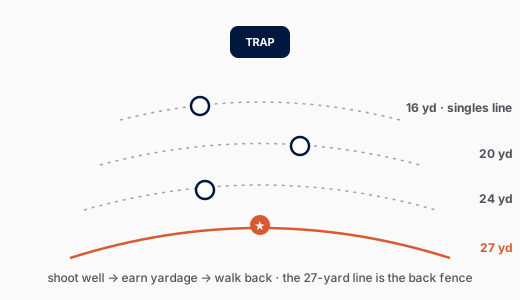
Handicap is trap's great equalizer: the better you shoot, the farther you stand from the house. Singles are shot from the 16-yard line by everyone; handicap moves shooters back to assigned marks between roughly 18 and 27 yards, so a squad of five can stand at five different distances and shoot the same birds on something like even terms.
Why distance is the handicap
Every yard back buys the target more time to fly, drop, and drift. The bird is smaller in your sight picture, your shot string arrives later and wider, and angles that were easy at 16 get honest in a hurry. The jump from 20 to 24 yards is bigger than it sounds, and the 27-yard line - the longest walk in trap - is where the sport's best live.
How yardage is earned
In registered competition, yardage is assigned and adjusted by the sanctioning body's handicap system - the ATA in American registered trap: shoot well in handicap events - win or place high - and you get moved back; the exact rules for increases and reductions live with the organization running the program. Club leagues often run simpler versions of the same idea: post good scores, take a step back. If you run a league, a distance handicap is one of the cleanest ways to keep one hot shooter from deciding the season - more in how to run a gun club league.
Scoring is the same game
A handicap round is still 25 targets, five posts, dead or lost - only the real estate changes. That's exactly why tracking it separately matters: a 22 from the 25-yard line is a different achievement than a 22 from 16. Smoke 'Em scores singles, handicap and doubles as separate events with separate averages, and if you log your yardage you'll see exactly what the walk back costs you - and when you've earned the next step.